
Acts: Week 1 Review
This past Sunday, we began a new teaching series through Acts. Where better to begin than in Matthew’s Gospel?
If you have been around GH for any length of time, it shouldn’t surprise you that we are taking the scenic route. But especially as it relates to Acts, there are some foundational truths to be reminded of.
If you missed Sunday, here’s a quick recap from Matthew 16:13-20:
The Church isn’t New. Of course, God has always had a people chosen for Himself to display His glory to the nations, but the life of Jesus leading into the book of Acts marks a pivotal moment in the history of God’s redemption of His people.
The Story of Scripture. Grace Harbor affirms and teaches what a number of Christians have long believed and, more importantly, what the Scriptures teach and affirm: The Bible tells one story, and it has one central figure: Christ. (See below for a helpful summary of the flow of the Story of Scripture)
Christ is the Founder of the Church. “The most basic reality of the Church is that it belongs to and was founded by Christ. And its success is promised and ensured by Christ.” Mark Dever
What is the Church? We summarized our text by saying: The church is a gathering of people who confess Jesus as the Son of the living God as Lord, and who subject themselves to the authority of divine revelation.
The context of the passage is not disconnected from the context of the 4 Gospels: Who is Jesus? The text of Matthew 16:13-20 hangs on this question: “Who do people say that the Son of Man is?” (v. 13)
Peter answers, “You are the Christ, the Son of the Living God.” (v. 16)
Jesus then lays out three foundational truths for the church:
The Confession of the Church is Christ’s Lordship. Any religion that rejects the Lordship of Christ is a false religion. Christianity does not share the same God with Judaism, Islam, Buddhism, and Mormonism because they all reject God’s Messiah, Christ, and His substitutionary death on the cross for our sins and His resurrection for our victory.
The Revelation of the Church is Divine. This is true both corporately and individually. Neither the Church nor its members have discovered God; rather, God is known through divine revelation.
The Work of the Church is Binding and Loosing. Spiritually, the church has authority and responsibility to proclaim the blessings and judgments of the Scriptures(i. e. “In Christ, you can be free from sin” or “You are enslaved to your sin and deserve God’s wrath”). Practically, binding and loosing may refer to the organization, governance, membership, and discipline of the church(see Matthew 18:15-20)
Jesus concludes all of this by “strictly charging the disciples to tell no one that He was the Christ.” (v. 20) Stay quiet? This seems antithetical to the church's responsibility! Why would He tell them this?
The text answers the question for us in v. 21. Essentially, Christ had not yet accomplished what he came to do, and the church's essential message had not yet been realized: the Gospel. The suffering, death, and resurrection of Jesus Christ. Additionally, “…the Spirit had not been given, because Jesus was not yet glorifed.” (John 7:39)
Acts will tell us of the church’s birth.
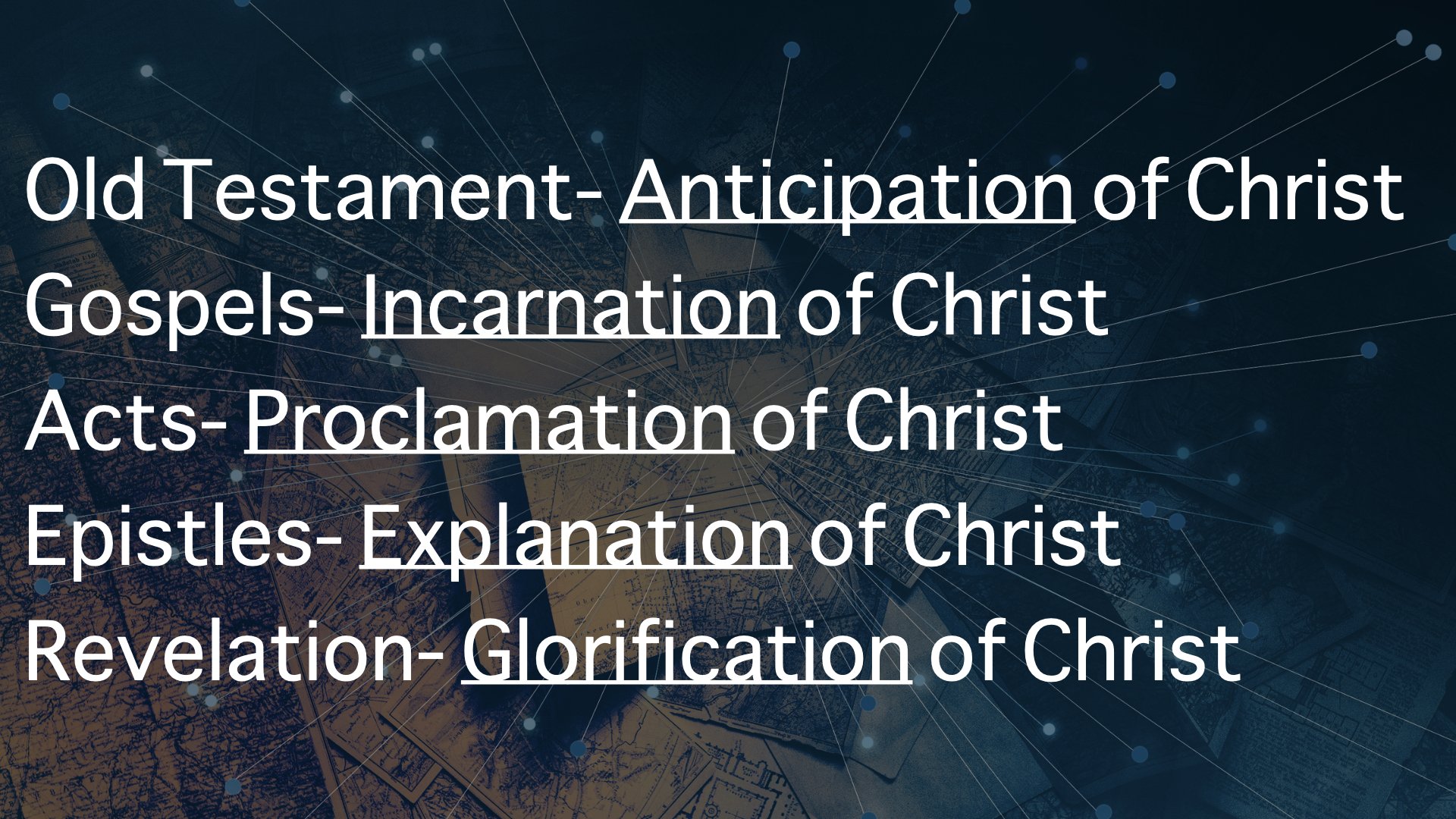
Source: John MacArthur